What the Caminito del Rey Trail Can Teach Community Fundraisers
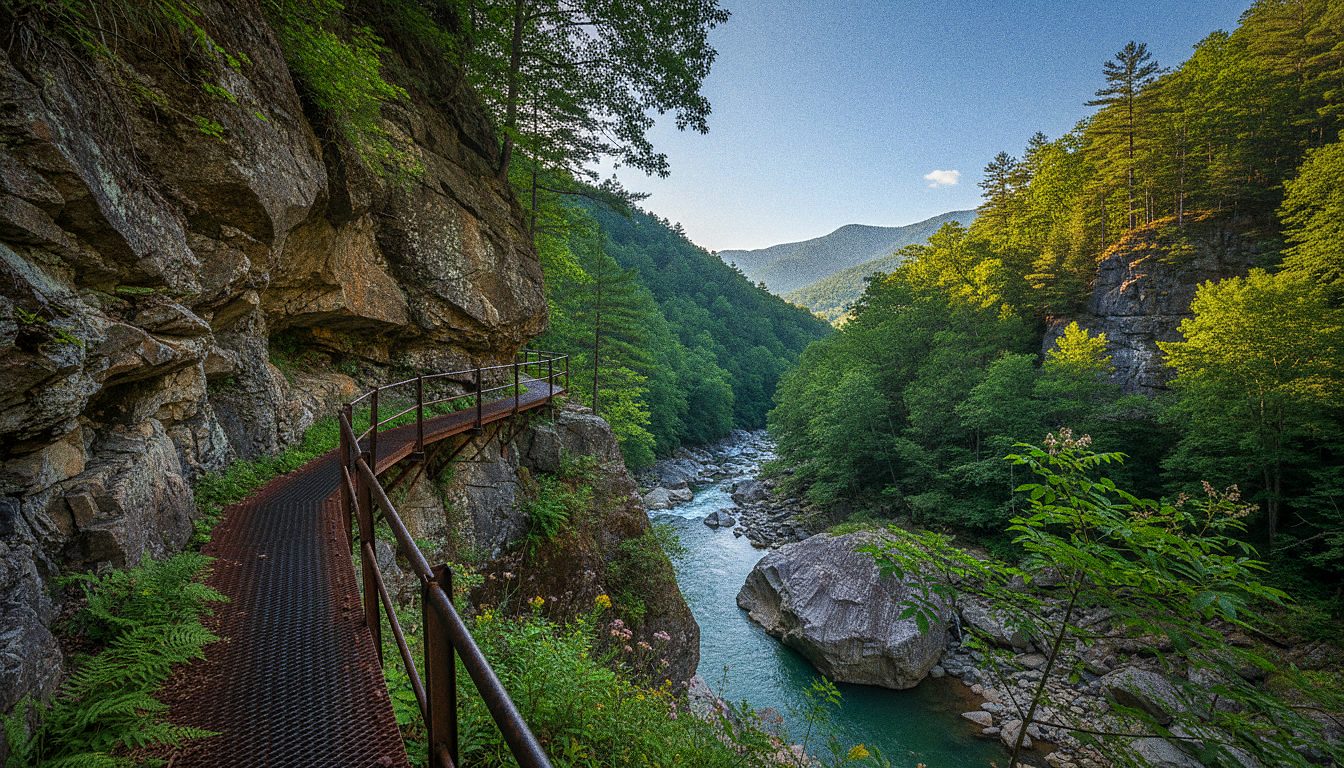
For a long stretch, the Caminito del Rey in Spain's Malaga province was known mainly as a dangerous, crumbling, technically-closed walkway that adventurous hikers visited anyway, at real risk. Its reinvention into a controlled, ticketed, professionally-maintained attraction is one of the more instructive case studies available for a community group thinking about how to fund and sustain a local trail or public-art walkway of a much smaller scale.
From liability to asset
The core shift wasn't cosmetic — it was structural. A crumbling, unofficial walkway was a liability that cost the local authority money in incident response and reputational risk. A rebuilt, managed, ticketed trail became a revenue-generating asset that funds its own ongoing maintenance. That reframing — from a maintenance burden to a self-sustaining asset — is the part most directly transferable to a much smaller community trail or outdoor public-art walk.
What made the reinvention work
- A capped, timed-entry ticketing system that controls foot traffic, protecting both visitors and the physical structure from overuse
- A clear, single funding source for ongoing maintenance, rather than relying on sporadic grants or one-time restoration money
- A strong before/after narrative that became part of the site's own marketing — the story of the reinvention is now part of the visitor experience, not something hidden
- Phased, professionally managed construction rather than a rushed reopening, which protected the long-term durability of the walkway
Worth knowing: a strong "we rebuilt this" narrative is itself a fundraising and marketing asset — a community trail restoration that documents its own before/after story, rather than quietly fixing the problem, tends to generate more ongoing public support than one that treats the restoration as purely a maintenance task.
Scaling the idea down
| Caminito del Rey element | Community-scale equivalent |
|---|---|
| Timed-entry ticketing | A simple sign-up or free-registration system for a popular local trail during peak season, to manage wear without necessarily charging |
| Single dedicated funding source | A "Friends of the Trail" recurring membership or a municipal maintenance line item, rather than repeated one-off grant applications |
| Public reinvention narrative | Interpretive signage or a short local media story documenting the restoration, shared as part of the reopening |
| Phased professional work | A multi-year restoration plan with clear stages, rather than an attempt to fix everything in one construction season |
Visiting as research
For a community group working on a local trail or public-art walkway project, seeing this kind of large-scale reinvention firsthand offers something a case-study writeup can't — a direct sense of how the controlled-access system actually feels to walk, and how the interpretive signage tells the restoration story along the route itself. Caminito del Rey tickets need to be booked well ahead of a visit, since the capped daily capacity that protects the trail also means it sells out, often weeks in advance during peak season.
The limits of the comparison
A dramatic cliffside walkway with a documented history of fatal accidents obviously operates at a different scale of both risk and funding than most community trail or public-art projects will ever need to. The transferable part isn't the specific engineering or the ticketing technology — it's the underlying decision to treat a deteriorating public asset as something worth investing in properly once, with a real ongoing maintenance plan, rather than patching it repeatedly and hoping the underlying problem doesn't resurface.
Telling the restoration story locally
One of the most underused assets a community restoration project has is its own transformation story, and the Caminito del Rey case makes clear how much that story can be worth on its own. A before/after photo series, a short video interview with whoever led the restoration, or simple interpretive signage along the finished trail turns a maintenance project into a piece of local identity people want to share — which in turn becomes free, ongoing marketing for the next phase of fundraising.
Simple ways to capture the story as it happens
- Photograph the "before" condition thoroughly before any work begins — this is the easiest step to skip and the hardest one to recreate later once a restoration is already underway
- Interview whoever is doing the physical restoration work partway through, while details are still fresh, rather than only after completion
- Keep a simple public-facing log, even a single social media thread, documenting progress in real time rather than only announcing the finished result
None of this requires professional media production. A community group with a smartphone and a habit of documenting as they go can build a genuinely compelling restoration narrative that costs nothing beyond the discipline of remembering to take the photo before starting the next day's work.
Planning a group visit once the trail is on the itinerary
Groups researching this kind of restoration case study in person should know the walkway operates as a one-way route through the gorge, finishing at a point some distance from the starting car park, so onward transport back to the start (or to the next stop on a wider itinerary) needs to be arranged before setting out rather than assumed. Comfortable, closed footwear is effectively required given the terrain, and the walk itself, while not physically demanding in a technical sense, takes longer than its short official distance suggests once a group stops repeatedly to look, photograph, and discuss the restoration details along the route — worth building real slack into the day's schedule rather than treating it as a quick stop between other appointments.
Turning the visit into a workshop, not just a walk
A group visiting specifically to study the restoration model gets more value from structuring the walk as a working session than from treating it as a passive sightseeing stop. Assigning each member a specific angle to observe — funding model, visitor management, interpretive signage, physical engineering — and comparing notes afterward turns a shared experience into a genuinely useful piece of collective research, in a way that simply walking the trail together as a group rarely produces on its own without that structure.
The comparison notes gathered this way translate directly into the kind of specific, evidence- backed language a grant proposal or board presentation benefits from — "we observed a controlled ticketing model that funds ongoing maintenance directly" carries more weight than a general reference to "best practices we've seen elsewhere."