Planning a Museum Study Tour to Athens via Athens Airport
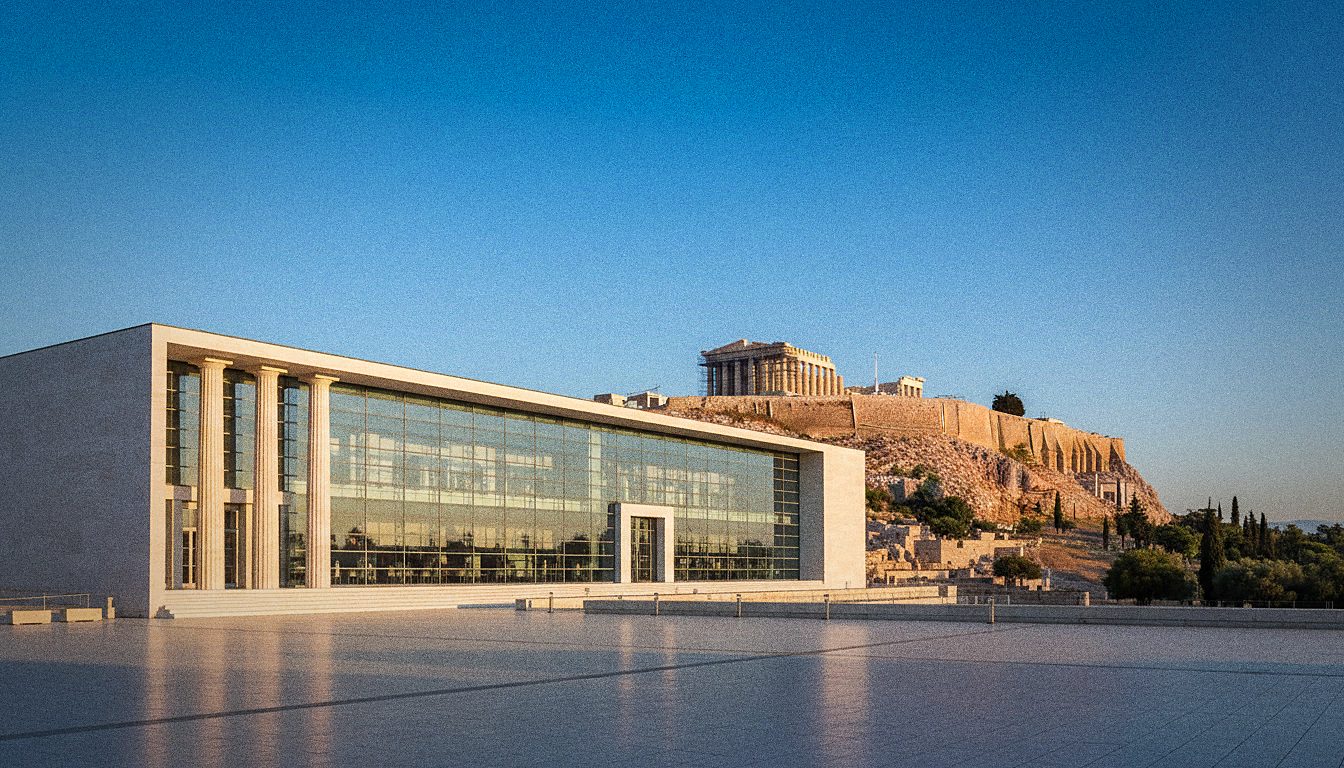
Athens is a common destination for arts and museum-education professional study tours — the concentration of major institutions within a compact, walkable city center makes it genuinely practical to build a focused, multi-site itinerary in a short trip, which matters for organizations that can only spare staff for three or four days at a time.
Why a study tour, specifically
The value of a museum study tour over a general professional-development budget line is concrete exposure to how another institution solves a problem your own organization is currently facing — exhibition design for a difficult space, education programming for school groups, or how a smaller institution positions itself next to a much larger, better-funded neighbor. Athens offers an unusually wide range of institutional scales within a short distance of each other, from major national museums down to small, specialized single-collection spaces.
A realistic three-day framework
- Day one — one major institution in depth, with a scheduled staff meeting or behind-the-scenes conversation arranged well in advance, rather than a general visitor tour
- Day two — two or three smaller, specialized museums, focusing on how each handles a specific challenge relevant to the visiting organization's own work
- Day three — unstructured time for follow-up conversations and a group debrief, capturing observations before the group disperses
Worth knowing: requesting a behind-the-scenes staff meeting at a museum works far better arranged weeks ahead through a direct professional contact than as a walk-in request — most institutions are genuinely willing to host peer visits, but need lead time to arrange staff availability.
Logistics worth planning ahead
Flights into Greece typically route through Athens International Airport regardless of the final destination within the country, which makes athens-airport.eu a useful starting point when comparing routes and timing for a group traveling from multiple originating cities — a common situation for a study tour where staff or board members are joining from different locations rather than departing together.
| Planning task | Why it matters for this trip type |
|---|---|
| Confirm museum staff meetings in advance | Behind-the-scenes access is the main value of a study tour over a personal visit — it rarely happens without advance arrangement |
| Check flight routing through the airport | Useful when coordinating arrival times for a group traveling from several different cities |
| Build in unstructured time | The most useful cross-institutional insights often come from informal conversation, not the scheduled tour itself |
| Assign a note-taker per day | Observations fade fast once the group is back to regular work — a same-day written record makes the post-trip report far easier to write |
Turning the trip into something usable
The study tours that produce genuine institutional change are the ones where a specific, actionable idea — not just general inspiration — comes back with the group. That usually means going in with a defined question ("how do they handle school-group flow through a small gallery?") rather than a general goal of "seeing what other museums do," and structuring at least part of each museum visit around answering that specific question directly with staff on the ground.
Budgeting realistically for a small-organization study tour
Travel is often the first line cut when a small organization's budget tightens, which is unfortunate given how directly a well-run study tour can inform decisions the organization would otherwise be making with much less information. A realistic budget for a small group of two to four staff over three days should account for more than flights and hotels — local transport between museums, a modest thank-you gift for any institution that arranges a special staff meeting, and paid time for a proper written debrief once everyone is back.
Where funders sometimes help
- Some regional and national arts funders maintain dedicated professional-development or travel grant lines separate from general operating support — worth checking specifically rather than assuming travel has to come from unrestricted funds
- A shared trip across two or three partner organizations can split fixed costs like local transport, making the per-organization cost significantly lower than a solo trip
- Building the study tour explicitly into a larger grant's professional-development line, rather than treating it as a separate ask, tends to be an easier sell to a funder already supporting other aspects of the organization's growth
Sharing what was learned beyond the traveling group
A study tour paid for by grant funding, or reported to a board, has an obligation that a personal trip doesn't — the insight has to reach people who didn't go. A short internal presentation to staff who stayed behind, a written summary circulated to the board, or a public blog post summarizing the key takeaways all extend the value of the trip well past the two or three people who actually traveled. Organizations that skip this step often find that a genuinely useful study tour insight dies with the traveling group instead of actually changing how the wider organization operates.
Choosing between Athens and a wider Greek itinerary
Organizations sometimes debate whether to spend a full short trip in Athens alone or split time between the capital and a second location, such as Thessaloniki or one of the islands with a strong museum presence. For a first study tour focused specifically on museum practice, concentrating fully in Athens tends to produce more usable insight than splitting an already-short trip across two cities, since it allows deeper engagement with each institution rather than a rushed single visit to several. A second-location trip is often more valuable as a follow-up visit once the group has a clearer, more specific question they're trying to answer — comparing how a smaller regional museum handles a challenge the group has already identified from the Athens visit, for instance, rather than attempting broad coverage on the first trip out.
What a realistic budget looks like
- Flights and airport transfers, coordinated around the group's various departure cities
- Modest thank-you gifts for institutions hosting a special staff meeting or behind-the-scenes visit
- A contingency line for last-minute changes, since museum staff availability can shift close to the visit date even with advance arrangement
- Paid staff time for the post-trip write-up, which is easy to forget to budget for but is where much of the trip's lasting value actually gets captured