Building Donor Relationships for Arts Nonprofits
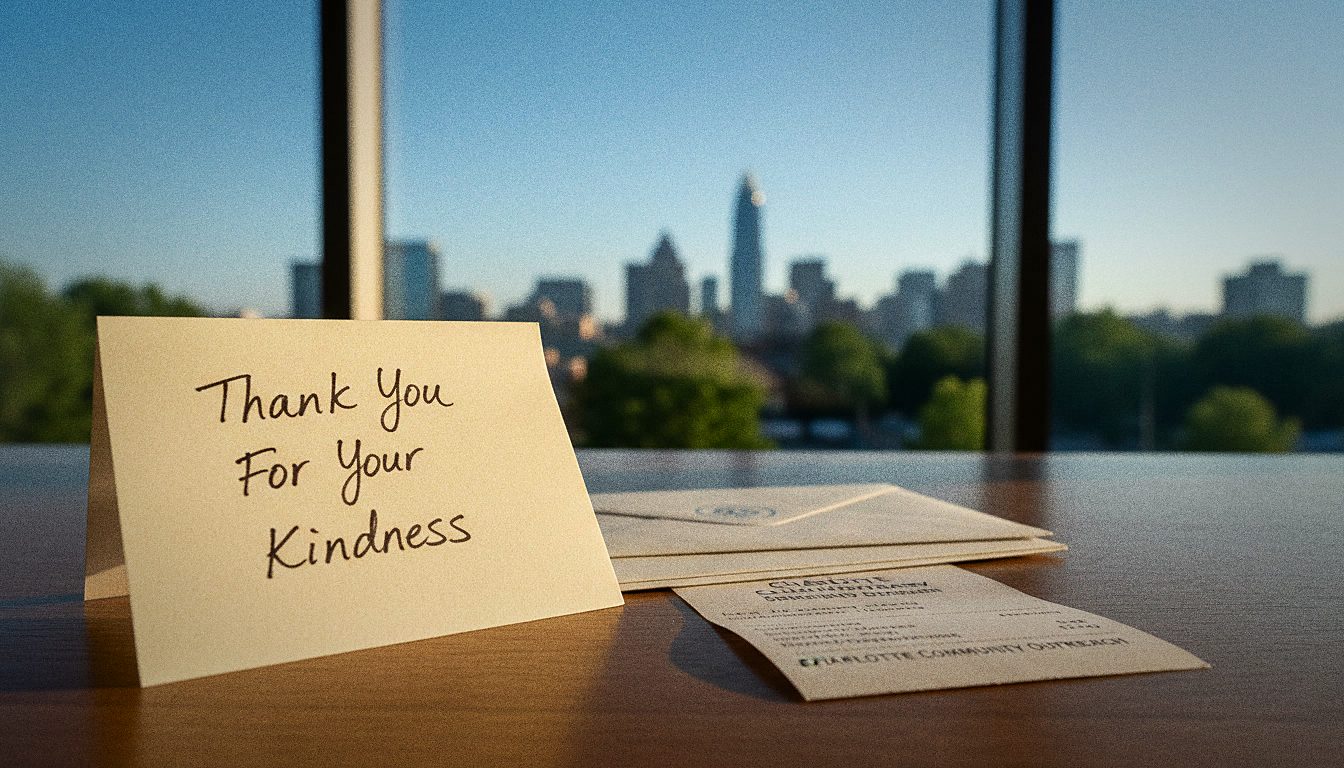
A first-time gift is easy, relatively speaking — a good campaign, a compelling ask, a bit of urgency, and a first-time donor gives. Getting that same person to give a second time, without being asked twice as hard the second time around, is where most small arts nonprofits actually lose donors. The gap between a one-time donor and a repeat donor is almost entirely about what happens between the gifts, not about the gifts themselves.
What happens in the gap matters most
A donor who gives once and hears nothing until the next appeal has no reason to feel like part of the organization's story. A donor who receives a genuine, specific thank-you and one or two meaningful updates before the next ask is far more likely to give again, and to give at a comparable or higher level.
The minimum follow-up sequence
- Within 48 hours — a genuine thank-you, ideally personalized with the donor's name and, if possible, a specific note about what their gift size will fund
- Within a season — one update showing the funded work in progress, even a short photo update, not a formal report
- Before the next ask — a specific outcome tied to the previous gift, so the next appeal isn't the donor's first news since giving
Segmenting without overcomplicating it
Small organizations often assume donor segmentation requires expensive software. In practice, a simple spreadsheet separating first-time donors, repeat donors, and lapsed donors — and treating each group slightly differently — captures most of the benefit.
Worth knowing: a lapsed donor (someone who gave once or twice, then stopped) is usually far cheaper to re-engage than a new donor is to acquire — they already know and trust the organization, and a direct, personal note asking why they stepped away often works better than a generic re-engagement campaign.
What each group needs
| Donor type | What moves them to give again |
|---|---|
| First-time donor | A prompt, specific thank-you and one meaningful update before the next ask |
| Repeat donor | Recognition of their history — reference the fact this isn't their first gift, don't treat every ask as a cold appeal |
| Lapsed donor | A direct, personal check-in, not a repeat of the standard appeal they already stopped responding to |
| Major donor | A relationship outside the formal appeal calendar — a call, a studio visit, involvement in a decision, not just a bigger ask letter |
Asking without over-asking
Small organizations often worry about asking too often and end up asking too rarely instead — sending one annual appeal and little else, which leaves the relationship dormant for eleven months at a time. A better rhythm is fewer formal "asks" but more frequent, low-pressure updates, so that when an ask does arrive, the donor already feels current on the organization's work rather than being cold-contacted once a year.
The long game
Donor relationships for a small arts nonprofit are built over years, not single campaigns. The organizations that eventually build a stable base of recurring donors are almost never the ones with the flashiest single campaign — they're the ones that treated every first gift as the start of a relationship worth maintaining, not a transaction that ended the moment the payment cleared.
Tracking relationships without expensive software
Small organizations sometimes delay any kind of donor tracking because they assume it requires a paid donor-management platform they can't afford. A simple shared spreadsheet — name, gift history, last contact date, and a short freeform note field — captures the vast majority of what a small organization actually needs, and costs nothing beyond the discipline of keeping it updated after every interaction.
What to record for every donor
- Every gift, with date and amount, so gift history is visible at a glance rather than requiring a search through old records
- The date and content of the last non-ask contact — a thank-you, an update, a casual conversation — so no donor goes silent for too long without someone noticing
- Any personal detail worth remembering — why they first gave, what part of the organization's work they mentioned caring about — since referencing it later makes an ask feel personal rather than templated
- A simple flag for lapsed donors, reviewed at least once a year, so re-engagement outreach happens deliberately rather than by accident
The discipline of keeping this record updated matters more than the sophistication of the tool used to keep it. A well-maintained spreadsheet that a small staff actually checks before every donor interaction outperforms an expensive, underused database every time — the goal is a habit, not a piece of software.
When a relationship justifies a phone call
Email and mail work fine for most of the donor communication described above, but a direct phone call still matters at certain points — thanking a first-time major gift, checking in with a donor who's clearly stepped away, or simply reaching a long-time supporter around a milestone in the organization's work. Small organizations sometimes avoid the phone entirely because it feels more effortful than a templated email, but a short, genuine call at the right moment often does more for a relationship than several rounds of written communication, precisely because it signals the organization sees the donor as a person rather than a line in a database.
What board members can do that staff can't
A phone call or personal note from a board member, rather than from staff, often carries extra weight with a donor, particularly a major donor, because it signals endorsement from someone giving their own time and often their own money rather than from a paid employee doing their job. Small organizations that involve board members directly in donor stewardship — not just in fundraising asks, but in the thank-you and relationship-maintenance side of the work — tend to build deeper donor loyalty than organizations that leave the entire relationship to a single staff member or volunteer coordinator.
A simple, sustainable version of this is assigning each board member a short list of donors to personally check in with once or twice a year, outside of any formal ask — a rotation that spreads the relationship-building workload across the board rather than concentrating it entirely on staff time that's often already stretched thin.