How Heritage Sites Like the Colosseum Inspire Local Preservation Grants
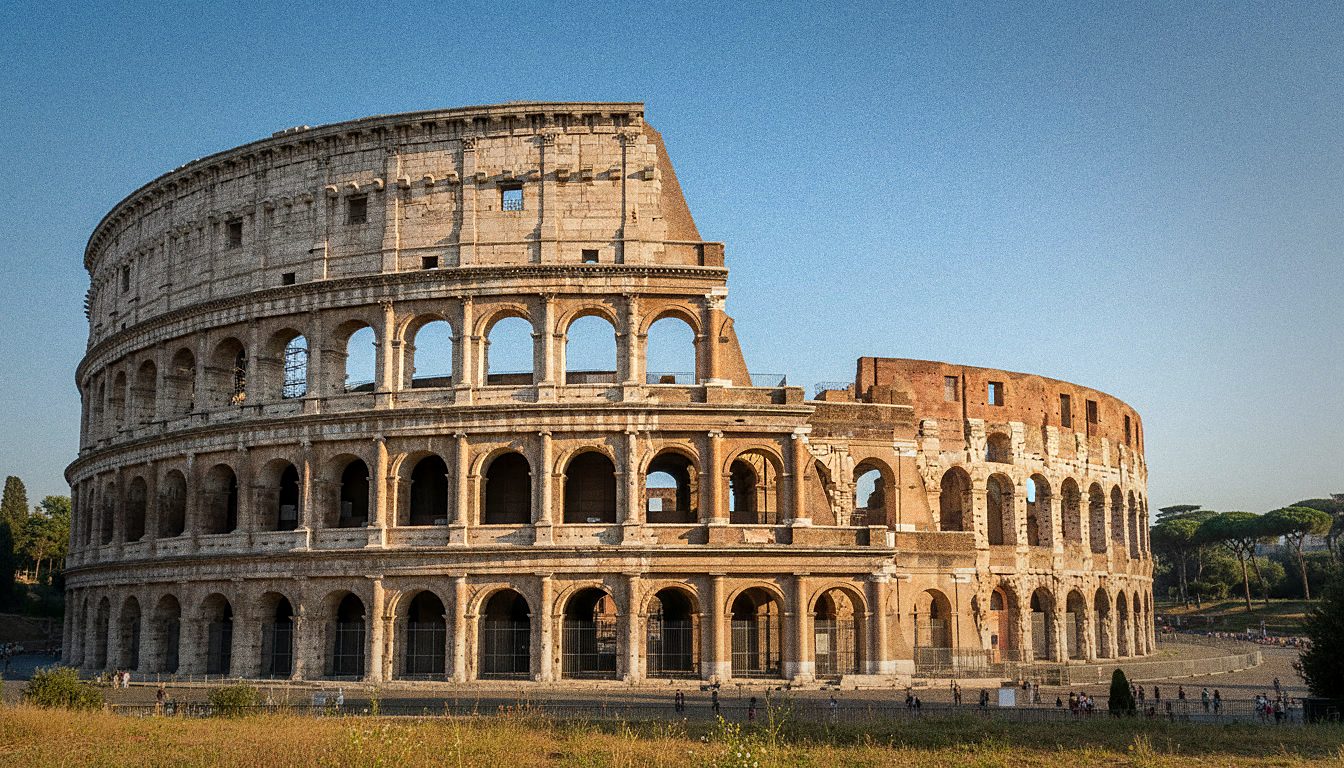
A community organization restoring a single mural or a small historic facade has almost nothing in common budget-wise with a site the scale of the Colosseum — but the underlying preservation logic scales down surprisingly well, and it's worth looking at directly rather than reinventing it from scratch on a much smaller local project.
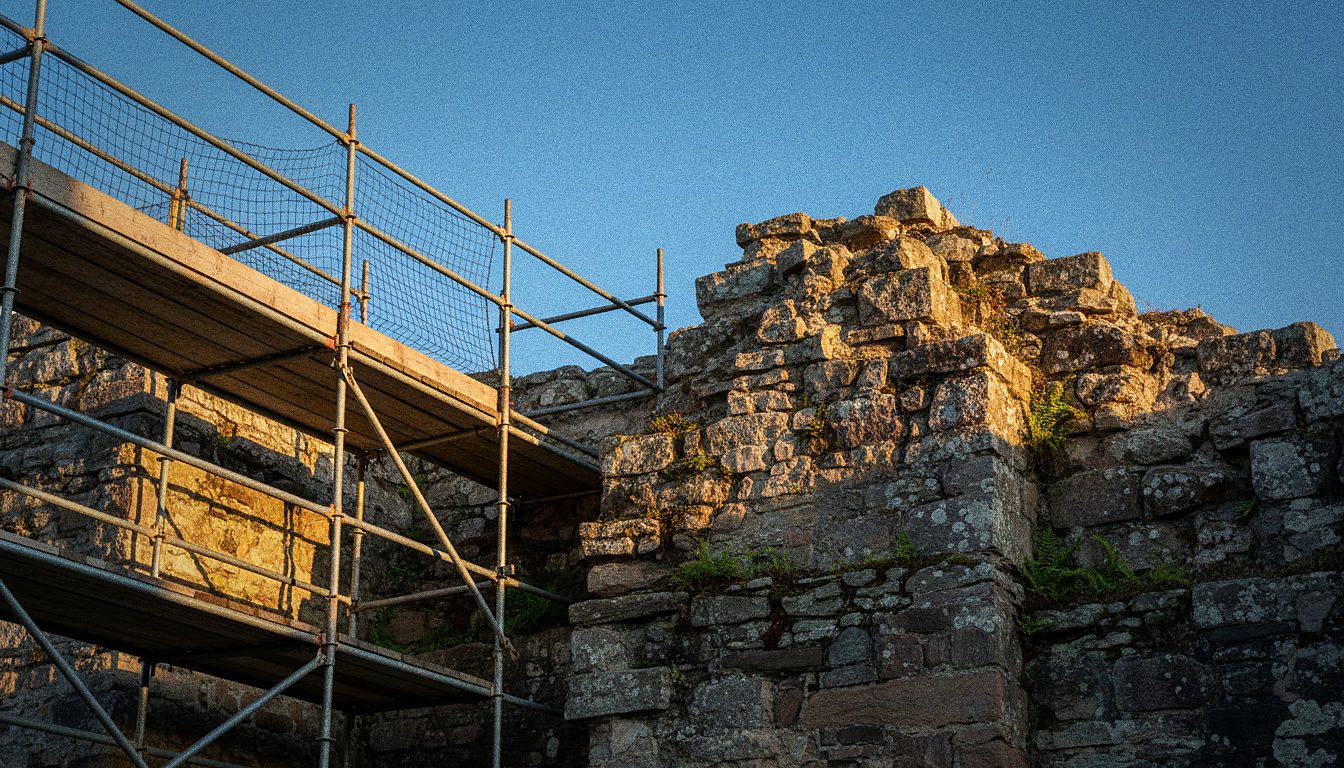
The core idea: maintenance beats restoration
The most transferable lesson from large-scale heritage conservation is that ongoing, modest maintenance is dramatically cheaper than periodic, large restoration after a site is allowed to deteriorate. A community mural checked and touched up annually costs a fraction of what a full repaint costs after five years of neglect, weathering, and vandalism — the same logic that drives continuous, phased conservation work at major heritage sites rather than a single, one-time overhaul.
What this means for a small local project
- Build a maintenance line into the original grant, not just a restoration budget — funders are often more receptive to this than local groups assume, once it's framed as cost efficiency rather than an ongoing ask
- Document condition regularly, even with simple annual photographs from the same angle, so deterioration is caught early rather than discovered only once it's severe
- Phase the work rather than attempting a single complete restoration, which matches both the reality of most small organizations' fundraising capacity and the way larger sites manage conservation without ever fully closing
Studying tourism as a funding model — and its limits
Large heritage sites increasingly fund conservation partly through ticketing and visitor revenue, and it's tempting for a small local project to want the same self-sustaining model. In practice, that model depends on a volume of visitors most local heritage or public-art projects will never reach, and organizations that try to replicate it at a small scale usually end up disappointed. A modest "adopt a section" sponsorship program — where a local business funds maintenance of a specific, visible part of the project — tends to translate the underlying idea far more realistically to a community scale.
Worth knowing: before designing a maintenance-funding plan around visitor revenue, get a realistic estimate of actual foot traffic — many local heritage projects overestimate visitor numbers by a wide margin, which undermines the funding plan before it starts.
| Large-site strategy | Realistic small-scale equivalent |
|---|---|
| Continuous phased conservation | Annual maintenance budget built into the original grant, not a separate future ask |
| Ticketing revenue funds upkeep | "Adopt a section" sponsorship from a local business, tied to visible signage credit |
| Professional conservation staff | A standing relationship with a local conservator or trades professional for periodic check-ins, not a full-time hire |
| Public condition reporting | Simple annual before/after photo documentation shared with funders and the community |
Study trips as a research tool
For a heritage or preservation-focused organization, seeing a large-scale conservation program up close — even briefly, as a visitor rather than through a formal professional visit — often clarifies which parts of the model genuinely transfer down to a community scale and which don't. Worth checking directions to the Colosseum well before the trip, since a group planning to reach the upper tiers and underground level — the areas that give the most useful view of ongoing, visible conservation work in progress — needs more lead time to arrange timed-entry access than a standard ground-level visit alone would require.
Where the comparison breaks down
It's worth being direct about the limits of this comparison. A 2,000-year-old amphitheater and a 30-year-old community mural face genuinely different technical and structural challenges, and a small local project shouldn't over-engineer its maintenance plan trying to match professional-grade conservation practice. The useful transfer isn't the technical method — it's the funding logic: plan for continuous, modest upkeep from the start, rather than for a single restoration and then hoping the problem doesn't return.
Bringing the idea back to a grant application
Funders reviewing a heritage or public-art preservation proposal respond well to language that explicitly borrows this maintenance-first framing, because it signals the applicant understands the project won't end when the grant period does. A proposal that includes a modest annual maintenance line, backed by a simple documented reason — citing how larger, professionally managed sites approach the same underlying problem — tends to read as more credible than one that requests funding only for a one-time fix.
Language worth including in a proposal
- A stated maintenance interval (annual inspection, biennial touch-up) rather than a vague promise to "maintain the site going forward"
- A named person or role responsible for that maintenance, even if informal, rather than leaving it unassigned
- A rough estimate of the ongoing annual cost, even a modest one, shown separately from the one-time restoration budget
- A brief acknowledgment that deferred maintenance costs more than regular upkeep — funders who work across sectors, not just the arts, generally recognize and respect this logic
A note on realistic scale
None of this means a small mural committee needs a formal conservation department or a professional-grade condition-reporting system. The point of studying how a major site like the Colosseum handles this problem isn't to import its scale — it's to borrow the underlying discipline at whatever size actually fits the project: one volunteer who checks the piece twice a year and keeps a simple photo folder is a completely legitimate, funder-credible version of the same idea that a major heritage site executes with a professional conservation team and a multi-year published plan.
Who should own this on a volunteer board
Preservation and maintenance work tends to stall on small community boards not because no one cares, but because no single person is clearly responsible for it once the initial restoration excitement fades. Naming one board member as the ongoing maintenance lead — even as a modest, part-time responsibility rather than a major role — makes the difference between a preservation commitment that actually gets followed through year after year and one that quietly lapses once the original grant-funded project wraps up and everyone's attention moves to the next initiative. Even an informal, unpaid role — reviewed and reassigned periodically rather than held indefinitely by one person — is far better than leaving the responsibility unassigned by default.