Planning a Cultural Study Trip to Olbia, Sardinia
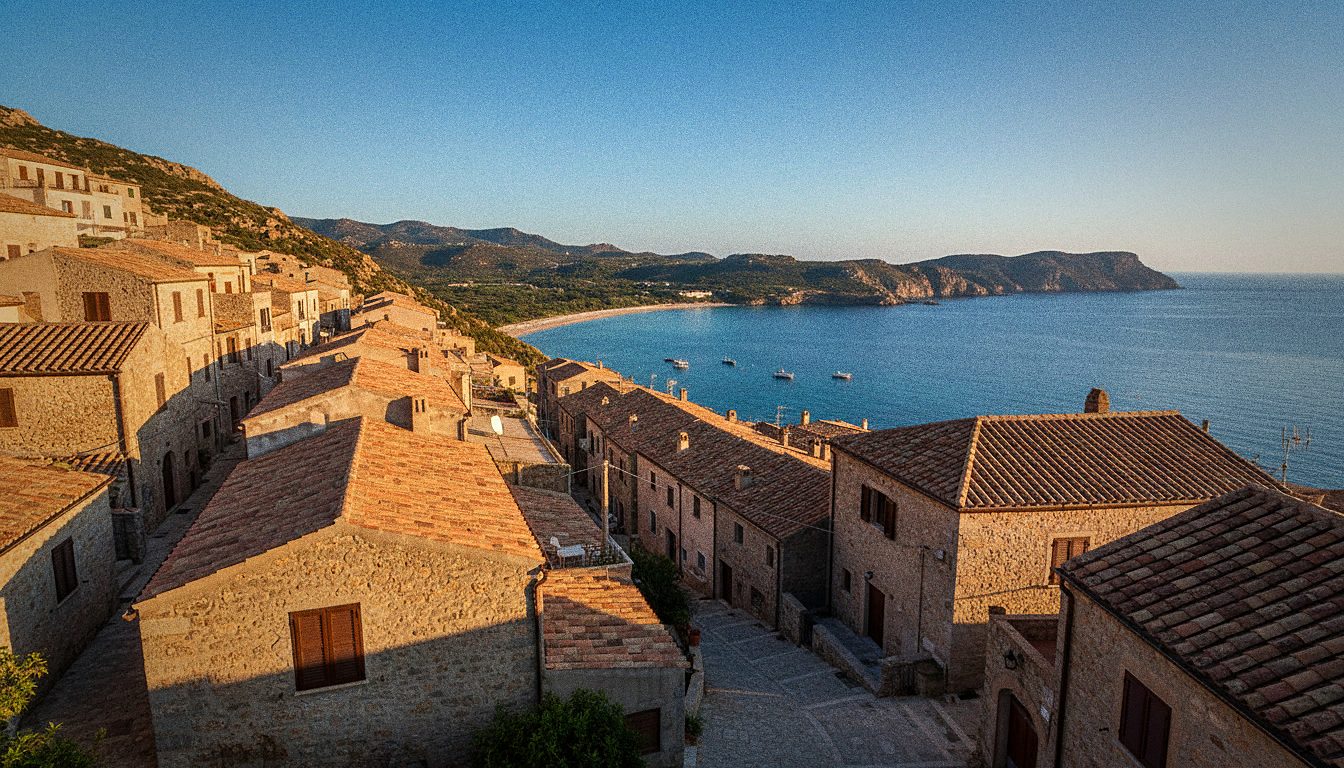
A handful of arts organizations now send a small group — staff, board members, sometimes a few major donors — on a short cultural-exchange or craft-residency trip once every few years, usually funded partly through a dedicated travel line in a larger grant. Sardinia keeps coming up as a destination for these trips, and it's worth understanding why before planning one.
Why Sardinia specifically
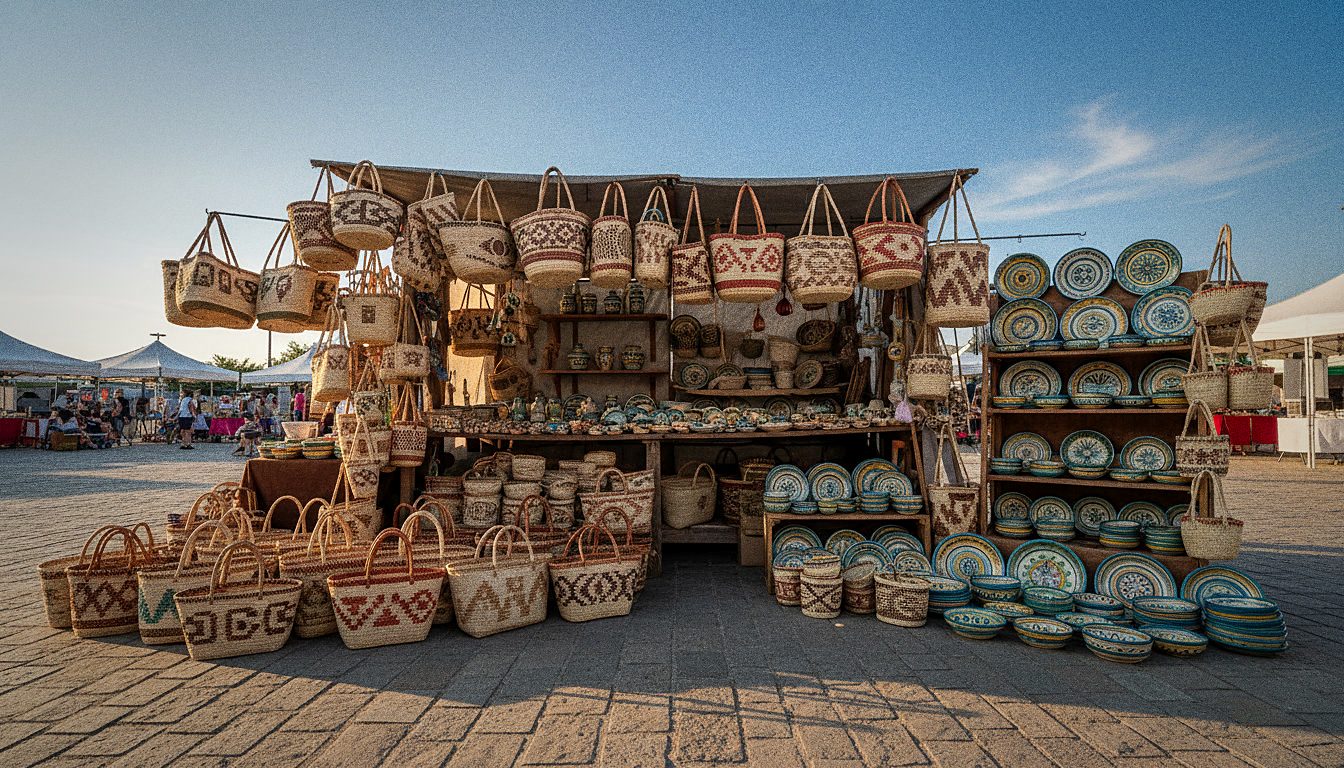
The island has an unusually dense concentration of living traditional crafts — weaving, ceramics, filigree jewelry, and a textile tradition that in some villages is still taught generationally rather than through formal schools. For an organization whose own programming touches textile art, ceramics, or craft-based community engagement, a short visit to a working Sardinian workshop offers something a museum exhibit can't: seeing the actual working relationship between a craft and the community that sustains it.
What a working study trip actually looks like
- A base in or near Olbia, on the island's northeast coast, with day trips to inland craft villages rather than staying centrally located in a single town
- Pre-arranged visits to working studios, ideally through a local cultural association rather than a generic tour operator, since a formal introduction tends to open doors a walk-in visit doesn't
- A few unscheduled days built in deliberately — the most useful conversations on these trips tend to happen informally, not on a packed itinerary
- A short group debrief before returning, capturing what was seen while it's still fresh, rather than relying on memory weeks later when writing the trip report for a funder
Worth knowing: many funders who cover travel for this kind of trip want a short written reflection afterward, not a formal report — build in time for that before the group disperses, since it rarely gets written once everyone is back to their regular workload.
Getting around once you land
Sardinia's public transport thins out quickly outside the main coastal towns, and the villages where the most interesting craft visits happen are often a 30-60 minute drive from Olbia with no direct bus connection. For a small group — typically four to eight people on these trips — booking an Olbia car rental no deposit is by far the most practical option: it avoids the cost and scheduling rigidity of a private driver for a multi-day trip, skips the security-deposit hold that can otherwise tie up an organization's card for the length of the trip, and gives the group the flexibility to add an unplanned stop when a local contact suggests one, which happens often on this kind of itinerary.
Building the trip into a broader program
| Element | Why it's worth budgeting for |
|---|---|
| Local cultural-association contact | Opens studio doors a generic tour booking can't, and often costs nothing beyond a modest thank-you gift |
| Rental car from the airport | Covers the inland craft-village visits that public transport doesn't reach on a reasonable schedule |
| Unstructured time | Where the most useful informal exchange tends to happen, according to organizations that have run these trips repeatedly |
| A short post-trip write-up | Turns the experience into something reportable to funders, and something that actually gets shared with the wider organization |
What to bring back besides photographs
The organizations that get the most lasting value from a trip like this treat it as research for future programming, not as a reward trip. A textile organization that visits a Sardinian weaving cooperative might come back with a concrete idea for a workshop series, a potential future artist-exchange relationship, or simply a sharper sense of how a small craft community sustains itself — something genuinely useful to a program director thinking about the long-term sustainability of a local craft initiative back home.
Timing the trip around the island's rhythm
Sardinia's craft communities have their own seasonal rhythm, and a trip timed against it produces a very different experience than one timed purely around convenient flight prices. Many workshops slow down or close entirely during the height of summer tourist season, when demand shifts toward coastal visitors rather than craft-focused ones, and pick back up in the shoulder seasons when artisans have more time for an unhurried conversation with a visiting group.
Practical timing notes
- Spring and early autumn tend to offer both better artisan availability and more comfortable inland travel conditions than peak summer heat
- Local festivals tied to specific crafts or harvests are worth checking for in advance — a trip timed around one adds a layer of community context a standard visit wouldn't offer
- Winter visits are possible but should be planned with the expectation that some smaller, family-run workshops may be closed or operating reduced hours
None of this needs to be treated as a hard constraint — a well-connected local contact can usually work around seasonal closures. But building in a season-aware buffer, rather than locking a trip purely to whatever dates are cheapest to fly, noticeably improves the odds of the kind of unhurried, substantive studio visit that makes this type of trip worth the travel budget in the first place.
Group size and how it changes the trip
A group of four moves through inland villages very differently than a group of eight, and it's worth thinking about group size as a real planning variable rather than an afterthought once everyone who wants to come has signed up. Smaller groups get more genuine engagement from a working artisan, who can realistically only have a real conversation with a handful of people at once in a small studio space; larger groups need to plan for splitting into pairs at some visits, or accept that some members will observe rather than participate directly in a hands-on demonstration. Neither approach is wrong, but deciding on it ahead of time — rather than discovering the constraint on arrival at a small workshop that can't comfortably fit the whole group — makes for a noticeably smoother visit for everyone involved, artisans included.
A simple pre-trip checklist
Organizations running one of these trips for the first time tend to benefit from a short written checklist rather than relying on institutional memory alone: confirm the local contact and studio visits in writing well ahead of arrival, decide the group size cap before advertising the trip internally, budget realistically for the rental car and any thank-you gifts for hosting artisans, and assign the note-taking and post-trip write-up responsibility to a specific person before departure rather than assuming it will happen organically once everyone is back to their regular workload.